Nature and culture in the Central Valley
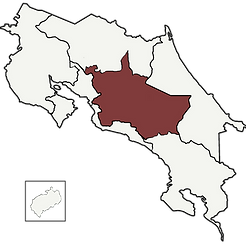
With nearly 3 million residents, the Greater Metropolitan Area (GAM), located in the heart of Costa Rica’s Central Valley, is the country’s most urbanized and dynamic region. While the capital, San José, captivates visitors with its historic landmarks such as the National Theater and the Museum of Pre-Columbian Gold, true cultural symbols; the former capital, Cartago, is home to the Basilica of Our Lady of the Angels, a major pilgrimage site for Costa Ricans. Beyond these major cities, towns like Sarchí and Turrialba promote traditional crafts as well as agriculture, which is essential to the local economy.
The highest peaks in Costa Rica
Costa Rica’s most iconic peaks are accessible from the Central Valley. In the hills above Cartago, a trip to Irazú Volcano National Park offers spectacular views of the country’s highest volcano, rising to 3,432 meters. Hiking trails also allow you to explore Turrialba Volcano National Park, while Poás Volcano National Park, near Alajuela, provides access to its stunning crater, including for people with limited mobility. A favorite among hikers, Cerro Chirripó (the highest peak of Costa Rica at 3,819 meters) rewards climbers with unique views of the Pacific Ocean and the Caribbean Sea.


Huetar and Cabécar indigenous peoples
Located near San José, the indigenous territories of Quitirrisí and Zapatón had a population of 2,417 in 2011, including 1,354 Huetars. Although they have lost their language, the Huetars maintain their traditions through community activities such as the “Huetar Cultural and Gastronomic Festival” as well as various artisanal activities like basket weaving and the production of natural dyes. Further east, the territories of Nairi Awairi and Alto Chirripó border Barbilla National Park. The Cabécars, the inhabitants of these lands, preserve their language, their belief in Sibö, their traditional medicine, and a subsistence economy based on agriculture, hunting, and fishing.
The most beautiful treks in Costa Rica
Among the most beautiful treks Costa Rica has to offer, the ascent of Cerro Chirripó is an experience that is as challenging as it is unforgettable. From San Gerardo de Rivas, a small town at the gates of Chirripó National Park, the climb to the country’s highest peak—with an elevation gain of about 2,000 meters over a distance of 20 kilometers—requires endurance and preparation. The park protects, among other features, the páramo, the famous Crestones, and glacial lakes. Another remarkable route, the Camino de Costa Rica, which passes through Barbilla, crosses the Central Valley while connecting several communities, including the indigenous village of Tsiöbata.

Exceptional coffee from Dota and Aquiares
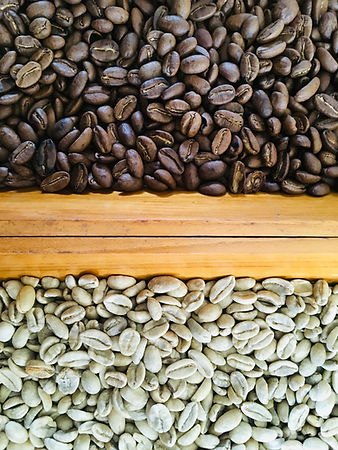
The production of exceptional coffee in Costa Rica relies on ideal natural conditions, particularly in the Santa María and Copey valleys in the canton of Dota. Thanks to their altitude, rich soils, and cool climate, these areas produce some of the finest coffee in the country. Communities such as San Gerardo de Dota benefit from a preserved environment, crossed by the Savegre River and surrounded by mountains offering unique conditions for hiking and observing the mythical quetzal. The town of Aquiares is also recognized for the quality of its plantations, combining expertise, biodiversity, and demanding agricultural practices.
Bajos del Toro and its waterfalls
Nestled between Juan Castro Blanco National Park and Poás Volcano National Park, the Bajos del Toro region is a true paradise for nature and adventure lovers. Renowned for its spectacular landscapes, it is home to numerous impressive waterfalls, some of which are among the tallest in the country. By crossing tropical forests and rivers, hikers can explore trails leading to the base of the Vuelta del Cañón, Tesoro Escondido, or Río Agrío waterfalls, to name just the most famous. The region, ideal for a honeymoon, also offers relaxing activities in the heart of nature, in a preserved and still relatively uncrowded environment.


The Orosi Valley and its surroundings
The Orosi Valley hosted the first Spanish settlements during the time of the Conquest. Visitors can admire the ruins of Ujarrás, remnants from the 16th century, as well as the Orosi Church, built in 1743 by Franciscan missionaries, one of the few well-preserved colonial buildings in the country. Protected by Tapantí National Park, the region stands out for its abundant water resources, particularly its soothing hot springs. A few kilometers away, the Pacuare region attracts rafting and adventure enthusiasts, while the Guayabo National Monument reveals fascinating traces of pre-Columbian civilizations.

Planning your trip to the Central Valley: a complete guide and tips